OptiLight vs. Eye Drops in Cape Coral: How Light-Based Therapy Treats the Root Cause of MGD
When your eyes feel dry, gritty, irritated, or tired, the issue may involve more than a lack of tears. Meibomian gland dysfunction (MGD) is one common driver of evaporative dry eye because the oil glands along the eyelids do not release enough healthy oil to support the tear film. Without adequate oil, tears can evaporate too quickly and leave the eyes uncomfortable.
At Full Spectrum Family Vision Care, we help patients in Cape Coral understand that dry eye has many possible causes. Inflammation, medications, screen habits, eyelid conditions, and environmental factors can all contribute. A personalized evaluation helps determine which factors may be affecting your symptoms.
Eye Drops And OptiLight Support Different Needs
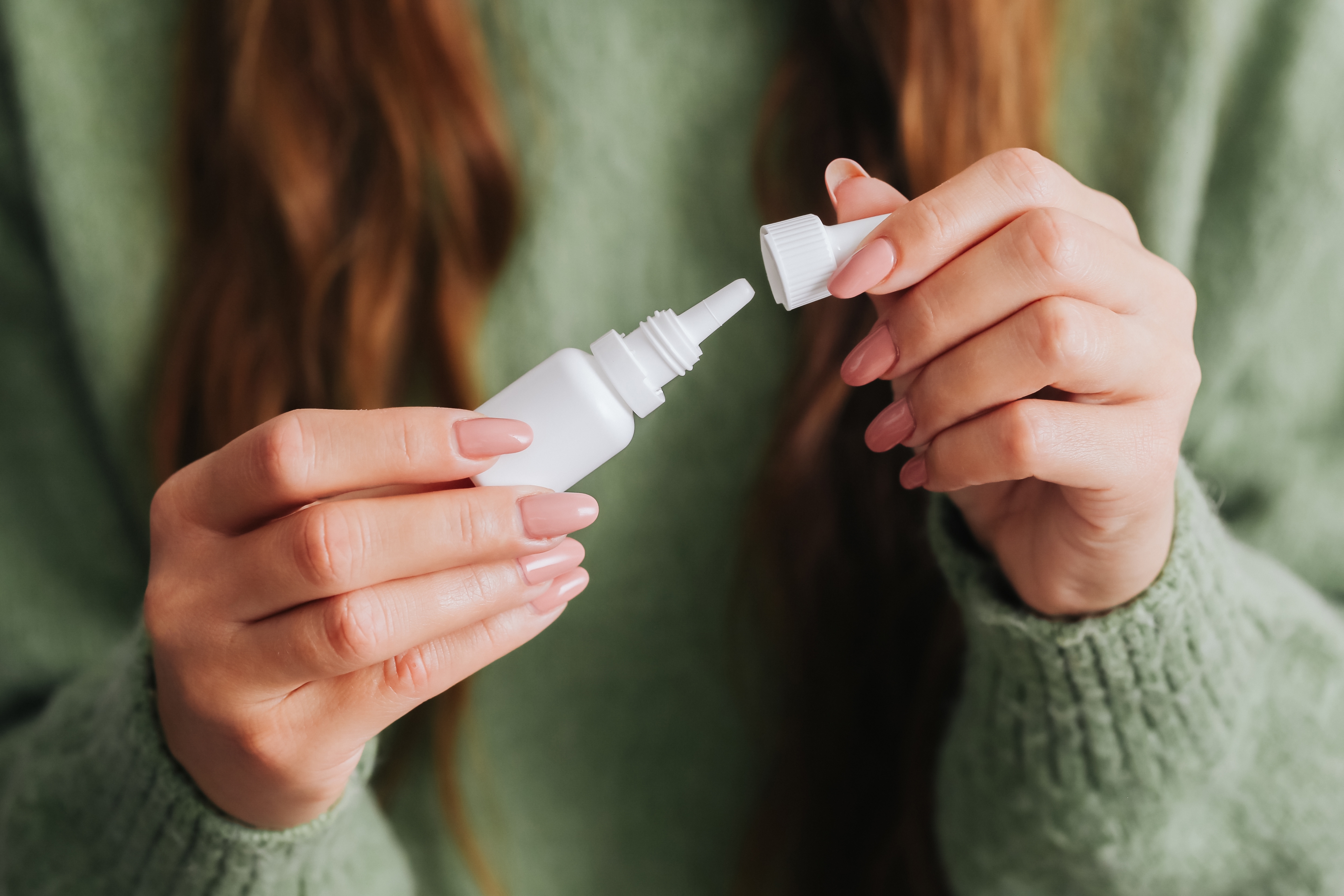
Artificial tears are often an important part of dry eye management because they lubricate the eye surface and provide temporary moisture. Some prescription eye drops are also designed to address inflammation or other underlying factors that contribute to symptoms. However, some patients with MGD may need additional treatment focused on the eyelid glands.
OptiLight is an intense pulsed light (IPL) treatment designed for selected adults with MGD-related dry eye. Unlike laser treatments, OptiLight uses controlled light pulses applied to the facial skin below the eyes while the eyes are fully protected. The goal is to support the management of MGD-related changes that may contribute to tear evaporation.
OptiLight is not a cure for every type of dry eye, and it does not restore glands that have been permanently damaged. Instead, it may be one part of a broader dry eye plan that can include other therapies recommended by your eye care provider.
What To Expect From An MGD Treatment Plan
Dry eye treatment works best when it matches the specific cause of your symptoms. During an evaluation, we look at your tear film, eyelids, symptoms, and overall eye health before recommending next steps.
A complete approach may include:
· Reviewing your symptoms, daily habits, medications, and current eye drop use
· Assessing eyelid health and signs of meibomian gland dysfunction
· Discussing options such as warm compresses, lid hygiene, gland expression, or prescribed treatments
· Considering whether OptiLight may be appropriate based on your individual health factors
· Creating a follow-up plan to monitor changes and adjust care when needed
·
OptiLight candidacy depends on factors such as age, skin type, medications, photosensitivity risks, and other health considerations. Professional assessment is important because IPL can cause skin reactions, including burns, if not performed appropriately. Your eye doctor will determine whether this treatment fits your needs.
Why Cape Coral Patients May Notice Dry Eye Symptoms
Everyday routines can influence how comfortable your eyes feel. Spending long periods on digital devices, working in air conditioning, and reduced blinking during focused activities may aggravate dry eye symptoms. These factors can make existing MGD more noticeable.
Some patients benefit from combining multiple strategies rather than relying on one treatment alone. For example, OptiLight may be recommended alongside eyelid care, gland-focused treatments, lubricating drops, or prescription therapies depending on the evaluation.
Research on IPL for MGD-related dry eye has shown potential improvements in certain clinical measures when combined with other treatments, but results vary between individuals. Studies do not show that every patient will experience the same level of improvement or that all patients can stop using eye drops.
Preparing For Your Dry Eye Evaluation
Before your appointment, bring a list of current eye drops, medications, and supplements. It can also help to note when symptoms are worse, whether your eyes feel burning or gritty, and how screen time or indoor environments affect your comfort.
New eye pain, significant light sensitivity, sudden vision changes, or other concerning symptoms should be evaluated promptly. A comprehensive dry eye assessment can help identify whether MGD, inflammation, or another factor is contributing to your discomfort.
Schedule your dry eye evaluation with Full Spectrum Family Vision Care in Cape Coral, FL, at (239) 573-3937.
Quick Links
Helpful Articles

All Eye Care Services
Find personalized eye care excellence with our comprehensive services. From eye exams to advanced diagnostics, trust us for all your vision needs.

Keep In Touch
For non-urgent questions or to learn more about our services, contact us today!
- 217 Del Prado Boulevard South, Unit 101 Cape Coral, FL 33990
- Phone: (239) 573-3937
- Fax: (239) 573-0263
- Monday 8:00am - 6:00pm
- Tuesday 8:00am - 5:00pm
- Wednesday 8:00am - 5:00pm
- Thursday 8:00am - 5:00pm
- Friday Closed
- Saturday Closed
- Sunday Closed
- Monday
- Tuesday
- Wednesday
- Thursday
- Friday
- Saturday
- Sunday
- Monday
- Tuesday
- Wednesday
- Thursday
- Friday
- Saturday
- Sunday
© 2026 Full Spectrum Family Vision Care. All rights Reserved - Accessibility Statement - Privacy Policy - Sitemap
Managed and Designed by 