
The Connection Between Meibomian Gland Dysfunction and Dry Eye
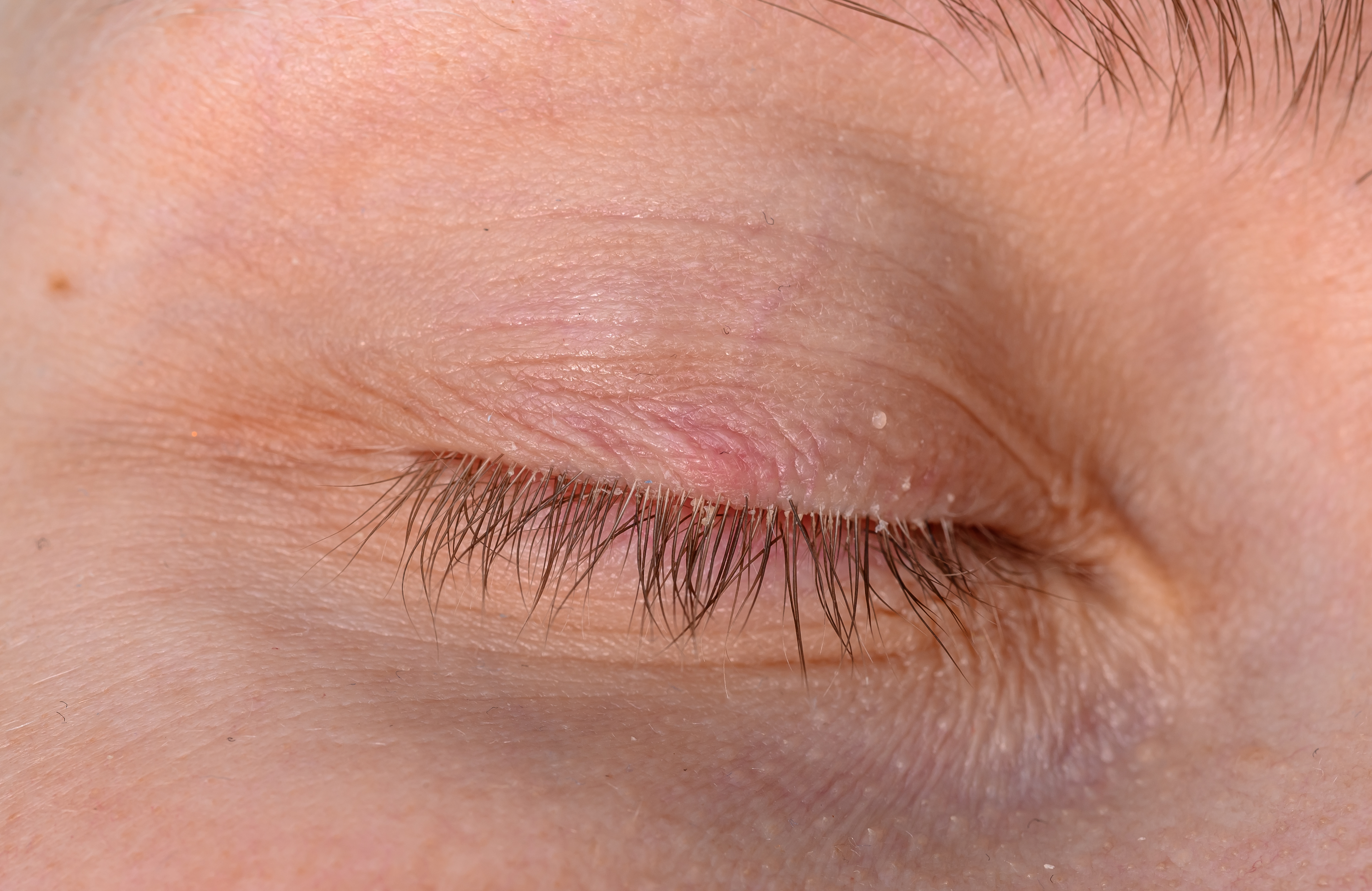
Dry eye is not always caused by producing too few tears. In many cases, the tears evaporate too quickly because they do not contain enough protective oil. This type of evaporative dry eye is often connected to meibomian gland dysfunction, commonly known as MGD. At Full Spectrum Family Vision Care, we evaluate the entire tear film to identify what may be causing ongoing dryness, irritation, or fluctuating vision.
What Are the Meibomian Glands?
The meibomian glands are small oil-producing glands located along the edges of the eyelids. Each time you blink, these glands release oils that form the outer layer of the tear film. This oil helps slow tear evaporation and keeps the surface of the eyes comfortable and protected. When the glands become blocked or stop producing healthy oils, the tear film may become unstable.
How MGD Contributes to Dry Eye
Meibomian gland dysfunction develops when the glands become clogged, inflamed, or unable to release oil properly. The oil may become too thick, or the glands may gradually produce less oil over time.
Without a healthy oil layer, tears can evaporate faster than the eyes can replace them. This can lead to chronic irritation, inflammation, and blurry vision. MGD is one of the most common causes of evaporative dry eye and often requires treatment that targets the glands directly.
Signs of Meibomian Gland Dysfunction
Symptoms of MGD and dry eye can vary, but patients may experience:
• Burning, stinging, or scratchy eyes
• Red or irritated eyelids
• Watery eyes caused by reflex tearing
• Fluctuating or blurry vision
• Light sensitivity
• Contact lens discomfort
• A gritty or sandy sensation
• Eye fatigue during screen use
Because these symptoms may be connected to several eye conditions, we recommend a complete dry eye evaluation before beginning treatment.
How We Diagnose the Cause of Dry Eye
Our team looks beyond surface symptoms to determine what is disrupting your tear film. We may examine your eyelids, evaluate the quality of your tears, assess the meibomian glands, and check for inflammation or related conditions.
This information helps us determine whether your symptoms are caused by MGD, blepharitis, inadequate tear production, inflammation, or a combination of factors. We can then create a treatment plan based on your specific findings.
Treating MGD With IPL
Treatment for meibomian gland dysfunction may include eyelid hygiene, warm compresses, prescription eye drops, blinking exercises, and therapies designed to improve gland function.
We also offer OptiLight by Lumenis, an intense pulsed light treatment for dry eye associated with meibomian gland dysfunction. IPL delivers controlled pulses of light to the skin below the eyes. This treatment may help reduce inflammation, support healthier meibomian gland function, and improve tear film stability. We may combine IPL with other dry eye treatments depending on the severity and underlying cause of your symptoms.
Schedule a Dry Eye Evaluation
Schedule your dry eye evaluation with Full Spectrum Family Vision Care to learn more about advanced treatment options. Contact our office in Cape Coral, FL, by calling (239) 573-3937 to book an appointment.
Quick Links
Helpful Articles

All Eye Care Services
Find personalized eye care excellence with our comprehensive services. From eye exams to advanced diagnostics, trust us for all your vision needs.

Keep In Touch
For non-urgent questions or to learn more about our services, contact us today!

- 217 Del Prado Boulevard South, Unit 101 Cape Coral, FL 33990
- Phone: (239) 573-3937
- Fax: (239) 573-0263
- Monday 8:00am - 6:00pm
- Tuesday 8:00am - 5:00pm
- Wednesday 8:00am - 5:00pm
- Thursday 8:00am - 5:00pm
- Friday Closed
- Saturday Closed
- Sunday Closed
- Monday
- Tuesday
- Wednesday
- Thursday
- Friday
- Saturday
- Sunday
- Monday
- Tuesday
- Wednesday
- Thursday
- Friday
- Saturday
- Sunday
© 2026 Full Spectrum Family Vision Care. All rights Reserved - Accessibility Statement - Privacy Policy - Sitemap
Managed and Designed by 